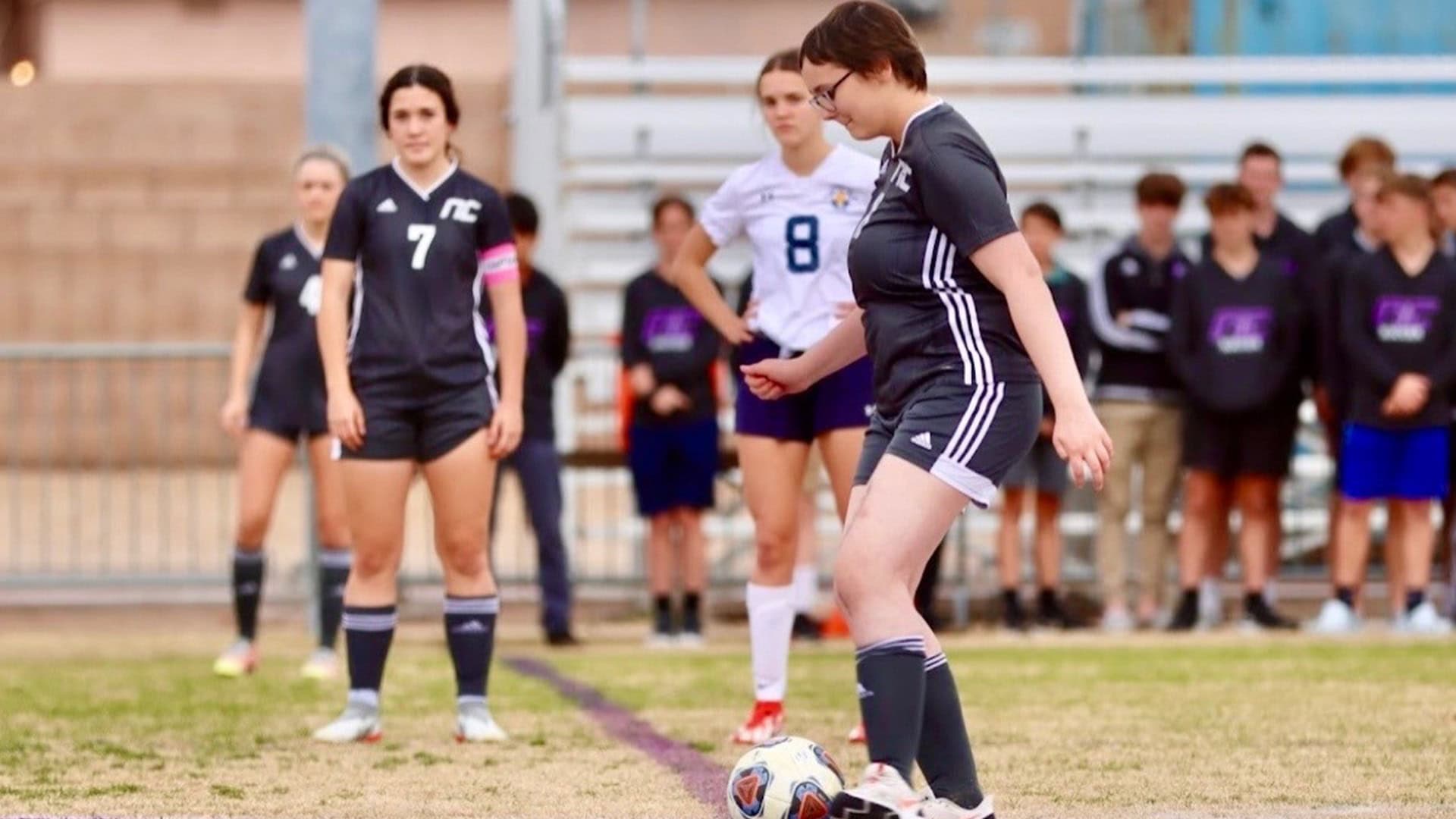

Before cancer entered her life, Wilson was constantly on the move. The youngest of four daughters, Wilson spent her days on the soccer field competing with SC del Sol, surrounded by a close-knit family that cheered each other on through every milestone. Life was busy, active and full of possibility.
Then, in the fall of 2020, everything changed.
Wilson woke up one morning complaining of pain in her leg. At first, her parents, Bill and Trish, assumed it was another sports-related injury. In a family filled with athletes, bumps and bruises were part of everyday life. But as the day went on, the pain worsened.
A Tuesday that changed everything
What began as a trip seeking answers quickly became something far more serious. “When I picked her up from school, her thigh was red and swollen,” Trish recalls. “It just didn’t look right.” Trish and her husband, Bill, didn’t want to wait until morning. They drove her to the Emergency Department at Phoenix Children’s. By the time they arrived, Wilson could no longer walk. Around 10:30 that night, because of COVID visitor restrictions, Trish sat alone with Wilson as a doctor delivered the news: it was cancer. Following a biopsy, Wilson was diagnosed with Ewing Sarcoma, a rare cancer that had affected her femur and surrounding tissue.
For a teenager preparing to enter high school and continue pursuing the sport she loved, the diagnosis turned her world upside down. “I was supposed to be playing soccer. I was supposed to be starting high school,” Wilson says. “Going from being a super athletic person to not even being able to walk was a very hard transition.”
For Bill and Trish, the diagnosis carried a devastating weight. Both of their mothers had passed because of cancer. “When it became real, it was devastating,” Bill says. “Your emotions go from far left to far right. You’re trying to hold yourself together for your daughter, your spouse and your other children.”
“You’re never going back to what you had before,” Trish says. “It was all 100% focus on Wilson’s health and helping her.”
The journey
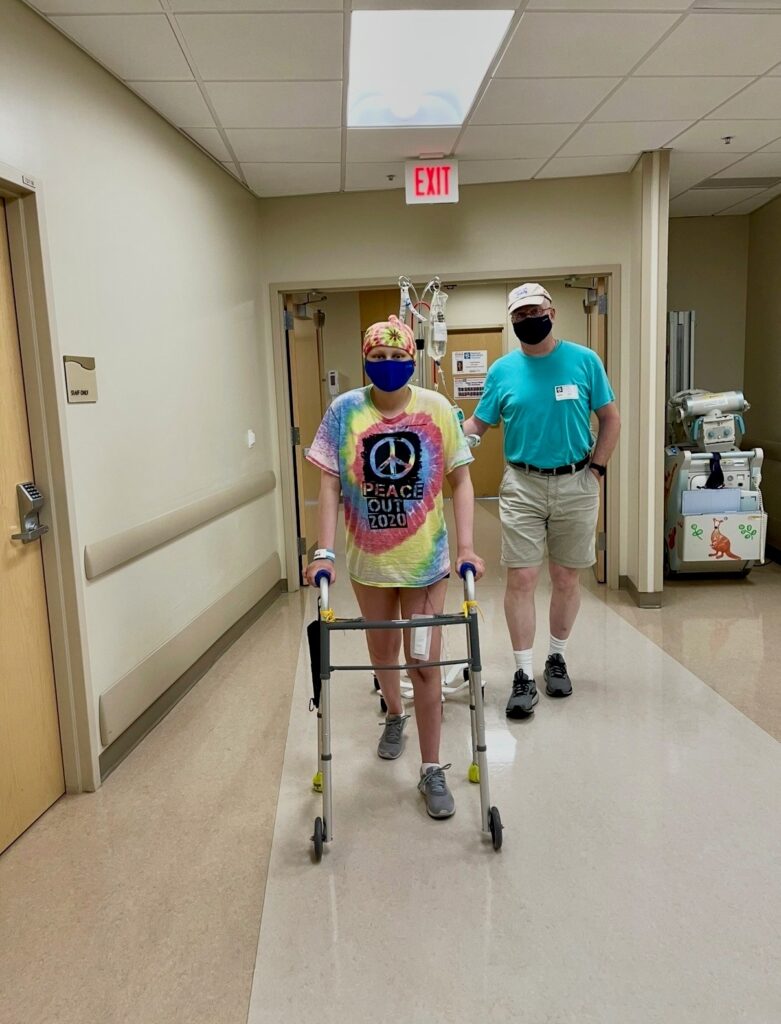
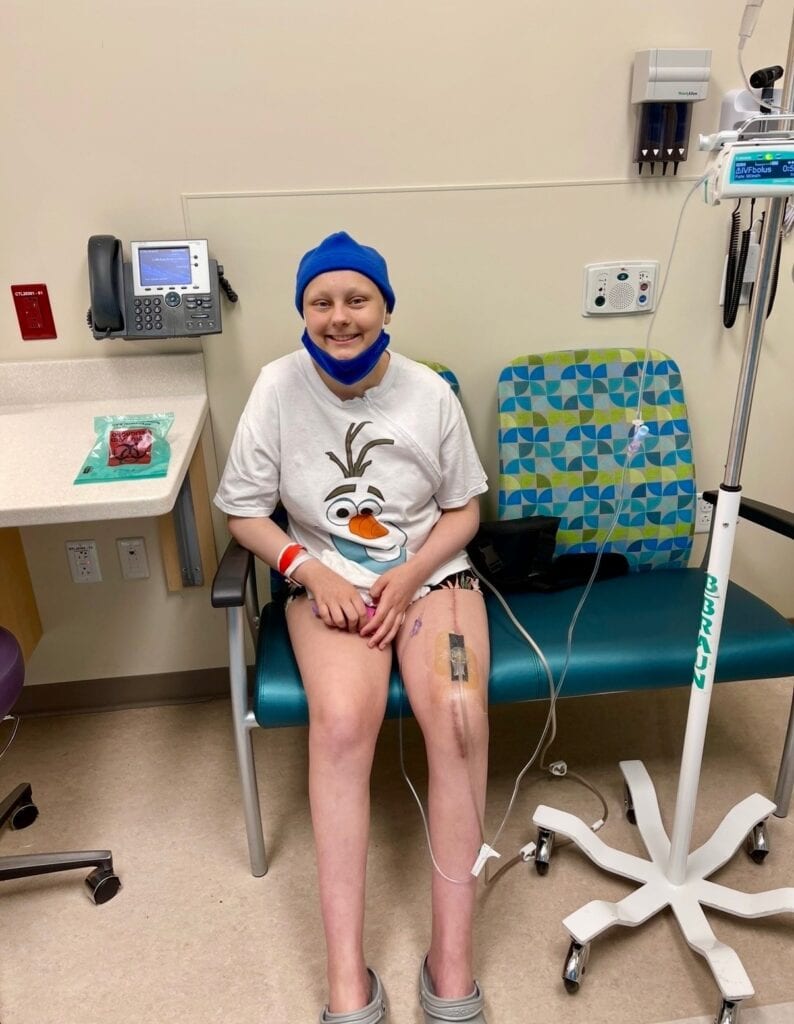
Over the next nine months, Wilson endured 14 rounds of chemotherapy, major orthopedic surgery to replace portions of her femur and knee, additional procedures and countless days in the hospital. Yet throughout every challenge, they found support at Phoenix Children’s.
Wilson remembers the Child Life specialists who filled long hospital days with games, art projects and moments of laughter. Nurses, physicians, psychologists, teachers and countless other team members became part of the family’s support system.
“Everyone was positive, helpful and caring,” Trish says. “Whether it was the doctors, nurses or even the people who cleaned the rooms, everyone made a difference.”
Art became one of Wilson’s greatest outlets during treatment. Unable to participate in the activities she once loved, she spent hours drawing, painting and creating. Even on difficult days, those creative moments helped her maintain a sense of herself. “Anybody who came in that was persistent — it helped a lot,” Wilson says. “Even if they just brightened my mood a little bit.”
A family that never left
While Wilson focused on healing, the entire family rallied around her. Trish devoted herself completely to Wilson’s care, while Bill managed life outside the hospital. He kept the household running, supported Wilson’s sisters and made the trip to Phoenix Children’s every day. But perhaps no one provided more comfort than Wilson’s sisters.
“My family is truly my best friend,” Wilson says. “The Face Times I would get in the hospital, or them sitting on the couch with me at home, meant everything. So many people left, but they never did.” That constant support became a source of strength during some of her darkest moments.
Ringing the bell — and what came after
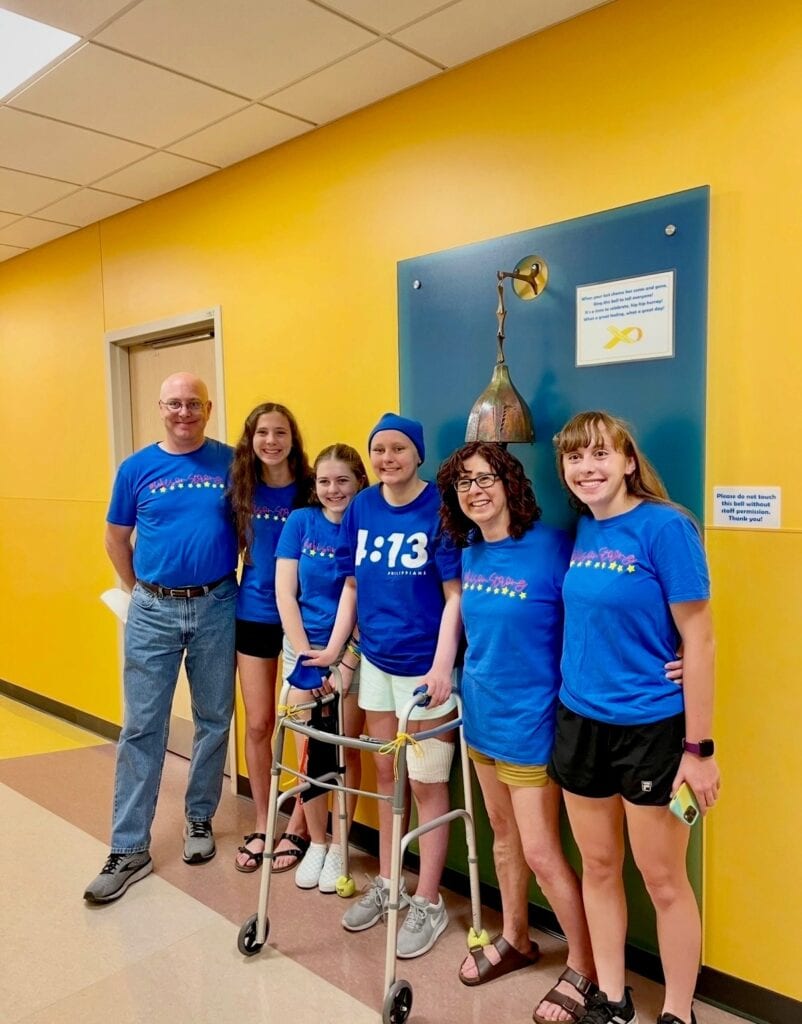
In July 2021, after months of treatment, Wilson reached an important milestone and rang the bell to celebrate the completion of chemotherapy. It was a moment filled with relief, gratitude and hope. But as the Floyd family quickly learned, healing doesn’t happen overnight. “There was still PTSD. There was still anxiety,” Wilson says. “It wasn’t a 180-degree turn.” Over time, she worked to regain strength, relearn how to walk comfortably and adapt to life after cancer. The physical and emotional challenges remained, but so did her determination.
Slowly, she found her way forward. She took the field one last time to honor her sisters on senior night at Northwest Christian School. She enjoys spending time with family and friends, creating art and running, something that once seemed impossible during treatment.
Living life to the fullest
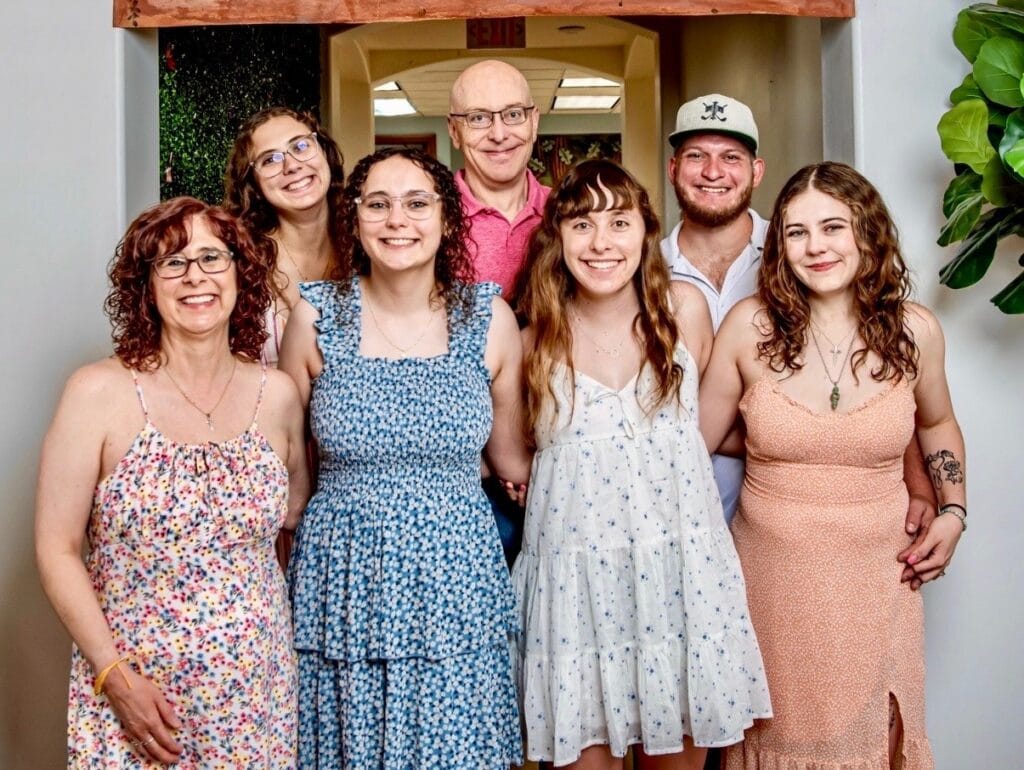
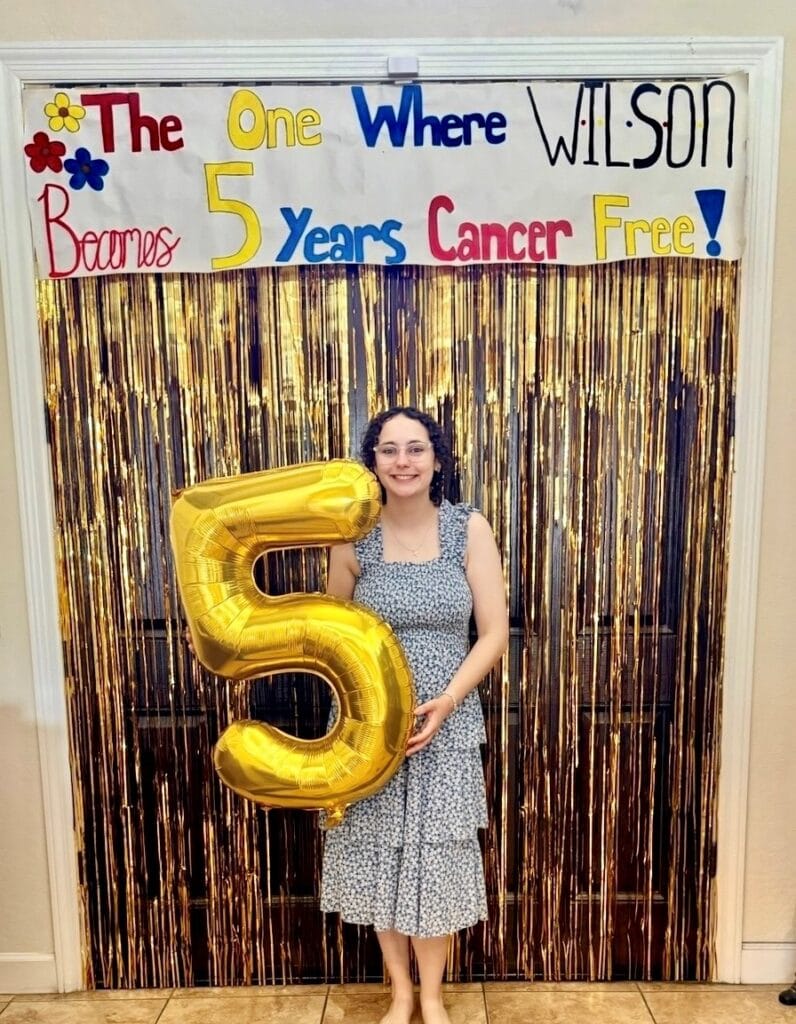
In July of 2026, Wilson celebrated five years cancer-free. She is heading into her junior year of college as a communication major, with plans to use her voice, someday in public speaking, to make sure other kids with childhood cancer know they aren’t alone.
“I want people to know they’re never alone,” she says. “When I was diagnosed during COVID, I didn’t know anyone going through the same thing. I want kids facing cancer to know they can do it. It’s a hard battle, and it’s not easy, but you do have the strength to get through it. You’re never alone.”
Long before Wilson’s diagnosis, the family supported Phoenix Children’s and other charitable causes. Today, they continue to give back through toy drives, mental health advocacy and by sharing their story with other families facing difficult circumstances. For them, giving back is a way to transform hardship into hope.
“We’re all on this earth for a purpose,” Bill says. “If we can help other people and make the community stronger, that’s what matters.”
Looking ahead, Wilson’s future is filled with possibility. She hopes to use her education and personal experience to advocate for children facing pediatric cancer and other challenges. Her cancer journey will always be part of her story.
But it does not define her.
Instead, it has helped shape a compassionate young woman who understands the power of showing up for others and reminding them they are never alone. And for families beginning a difficult journey of their own, that message may be exactly the hope they need.