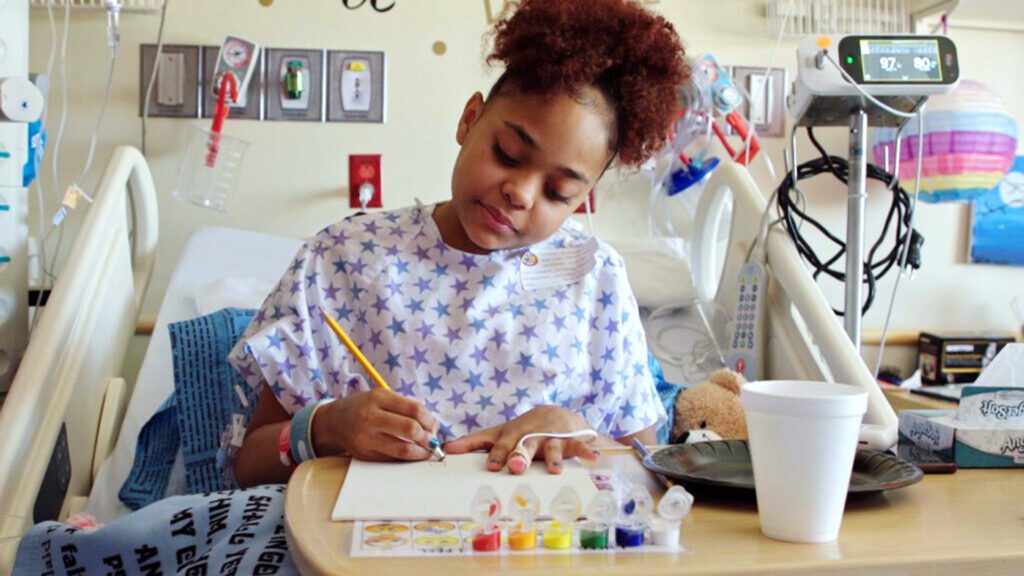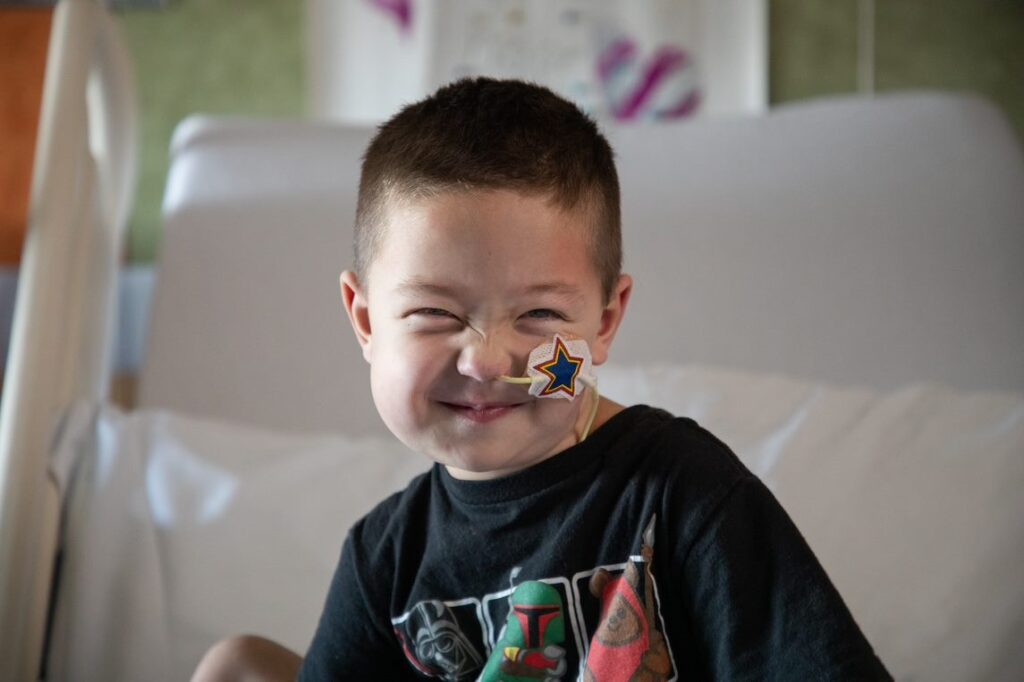
When children are dealing with chronic pain, it can be debilitating. Sometimes, they can’t even get out of bed, take a shower or go to the bathroom without help. Chronic pain in children is treatable, but kids need a comprehensive plan designed and implemented by an experienced team of health care professionals.
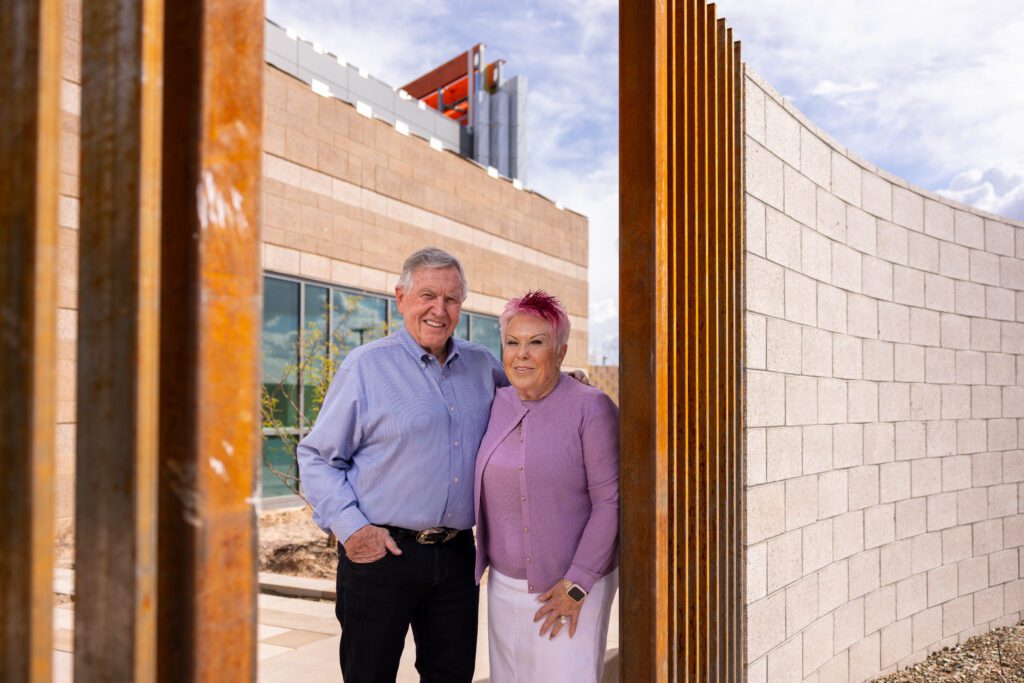
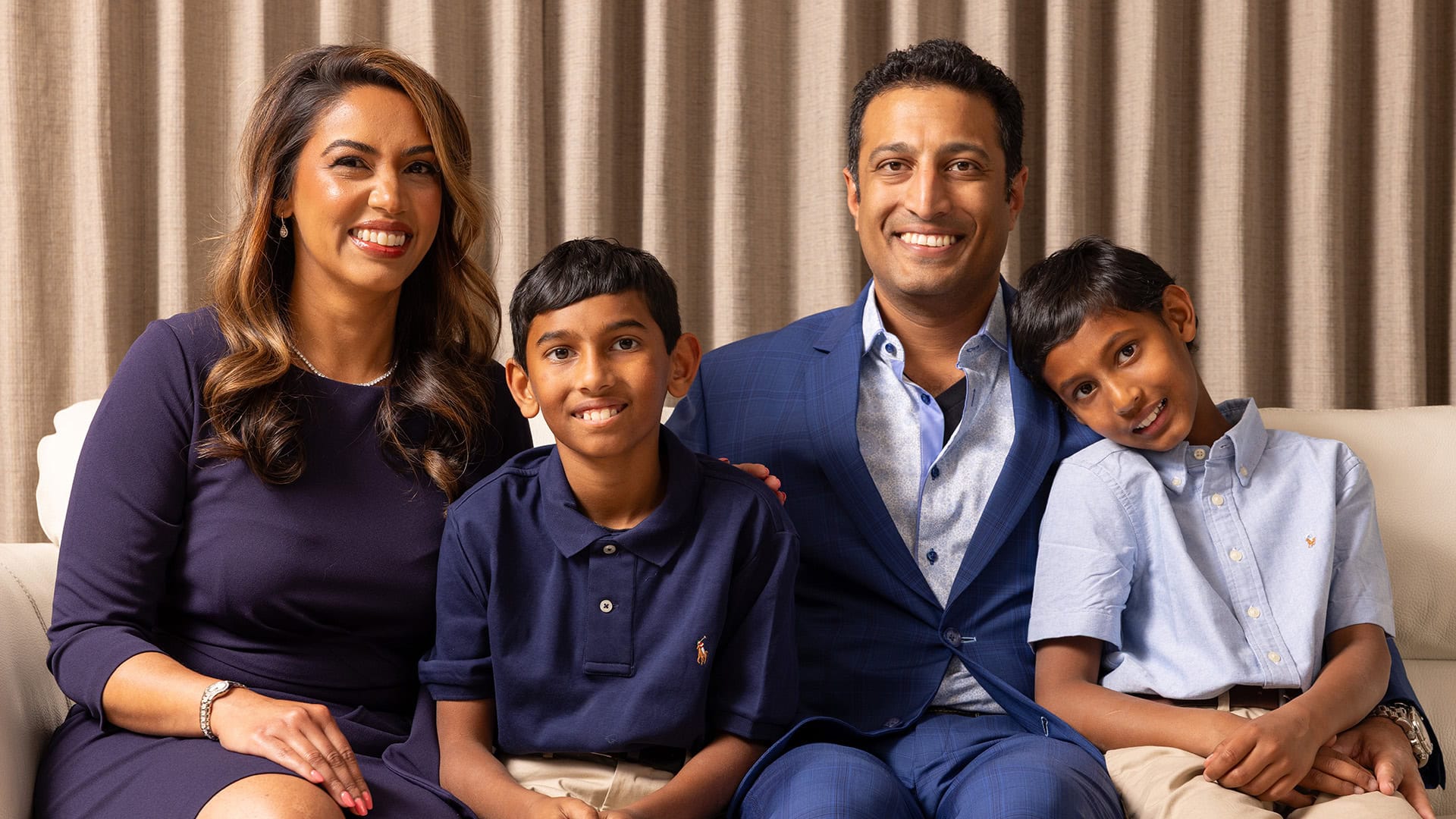
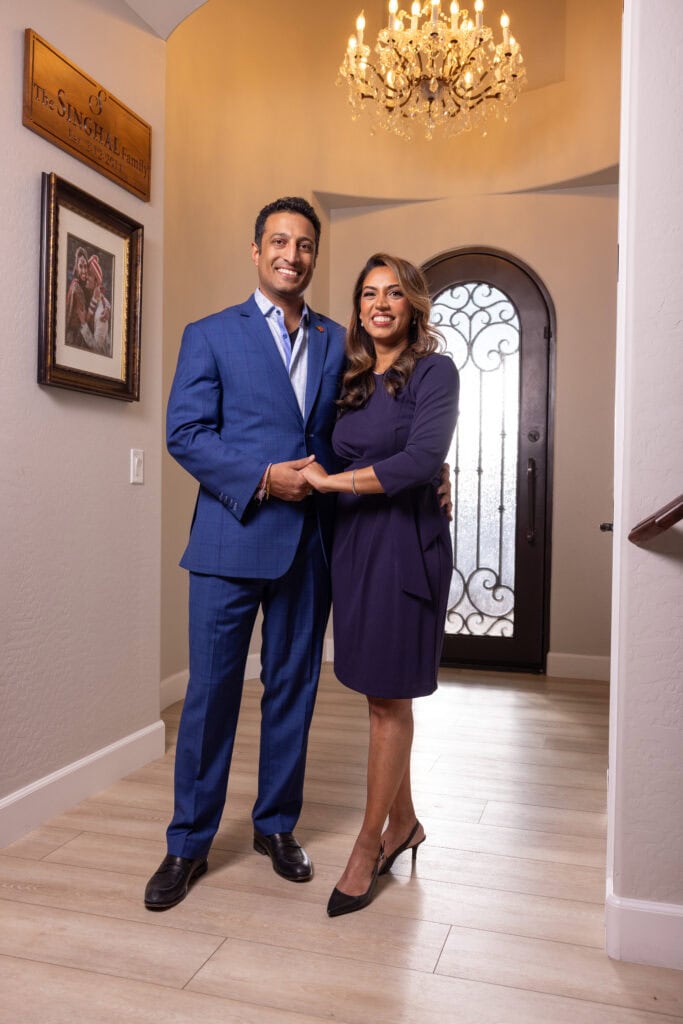
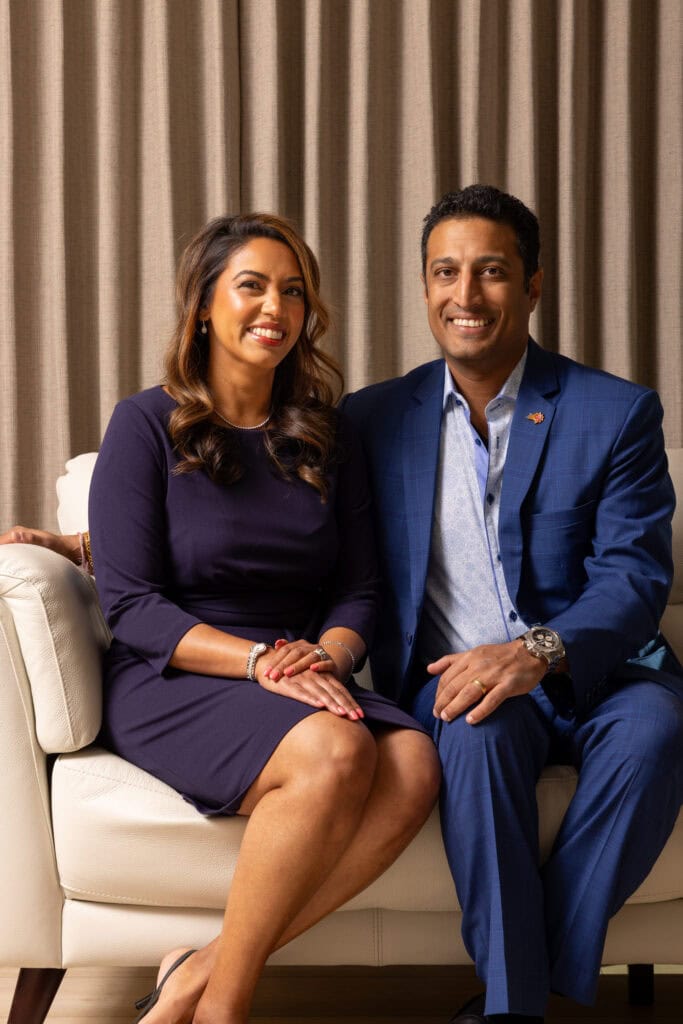
That’s why Neil Raj Singhal, MD, a Phoenix Children’s pediatric anesthesiologist and pain management specialist, and his wife, Sonia Bhushan Singhal, recently made a blended gift establishing the Singhal Family Endowed Chair in Pediatric Pain Management. Their commitment includes both an outright pledge and a bequest—demonstrating how families can combine immediate impact with a lasting legacy to fund an endowment.
FILLING A NEED IN THE SOUTHWEST
“These kids really want to go to school. They want to play with their friends. And they do get better,” Dr. Singhal says. “But chronic pain in pediatrics is a very underserved population.” He points out that Phoenix Children’s has the only comprehensive program for treating chronic pain in children within 400 miles, and it draws families from Arizona, Utah, Colorado, New Mexico, Texas and California.
Kids with chronic pain may be dealing with issues like juvenile idiopathic arthritis, fibromyalgia or chronic headaches, back pain or abdominal pain.
“There’s a lot of need for this care,” Sonia Bhushan Singhal says. “There’s a growing population of kids who are having these issues, and there should be support to match that. If we’re able to provide resources that help more children, that’s a win-win for everybody.”

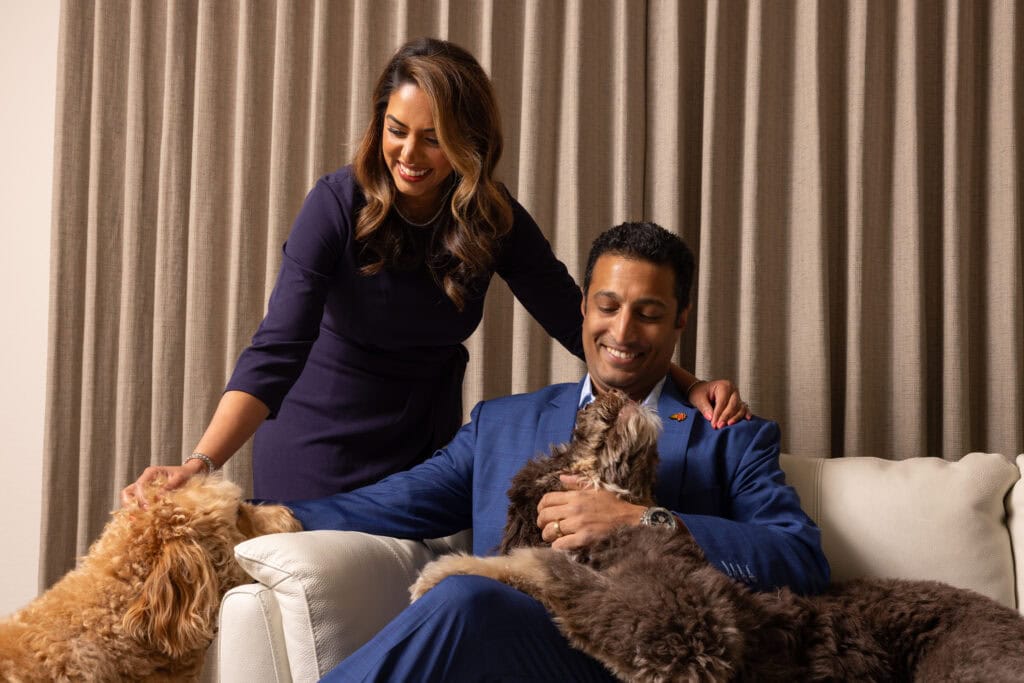
Because the Singhals made their gift to Phoenix Children’s through the City of Phoenix’s Pediatric Health Care Initiative, it will be matched with governmental funds at a rate of roughly two times the amount of the gift. “It’s a great way to multiply the effect of the gift and direct the money to something that’s meaningful for us,” Dr. Singhal says.
HELPING FAMILIES FIND HOPE
“Pain is a problem that can be dealt with in a very logical, rational, scientific way, with strategies that help children live their best lives and be successful in the future,” Dr. Singhal says. The endowment will help support coordinated treatment that includes interventional care, rehabilitation, physical therapy and psychology.
A focus on psychology is key: The biggest reason chronic pain is unsuccessfully treated is because underlying anxiety and depression aren’t addressed. The endowment will support a dedicated psychologist who will further develop the pain management program.
“Having a dedicated psychologist really helps these kids see a different path forward and understand that, in spite of the pain, they can still be functional and live full, meaningful, happy lives,” Dr. Singhal says.
Plans for the endowment also include support for an inpatient rehab program for children who have debilitating chronic pain with no organic cause. This type of program typically runs for three to four weeks where the child stays in the hospital for intense physical therapy, psychology and pain management, as well as school, individual therapy and family therapy.
“We’ve really grown a lot over the last decade, and the hope is, brick by brick, to keep growing it into a bigger program and take it to the next level,” Dr. Singhal says. “Having an endowed chair really allows us to build the program.”
Why Endowments Make a Difference
“Endowments create sustainability,” says Nicola Lawrence, vice president of individual giving at Phoenix Children’s Foundation. “They help us recruit top talent and strengthen our leadership in clinical care and research.”
There are two main types of endowments, both delivering lasting impact for children and families:
Endowed chair:
Provides ongoing funding directed by the chair-holder and helps attract leading experts.
Endowed program:
Supports a specific area of care with reliable, long-term funding.
Leave Your Own Legacy
If you’re interested in learning more about making an endowment and how your gift could benefit Phoenix Children’s, please contact Nicola Lawrence, vice president of individual giving, at 602-933-3870 or nlawrence@phoenixchildrens.com.