Here's a look at Phoenix Children's past, our present and what's to come.
September 1983
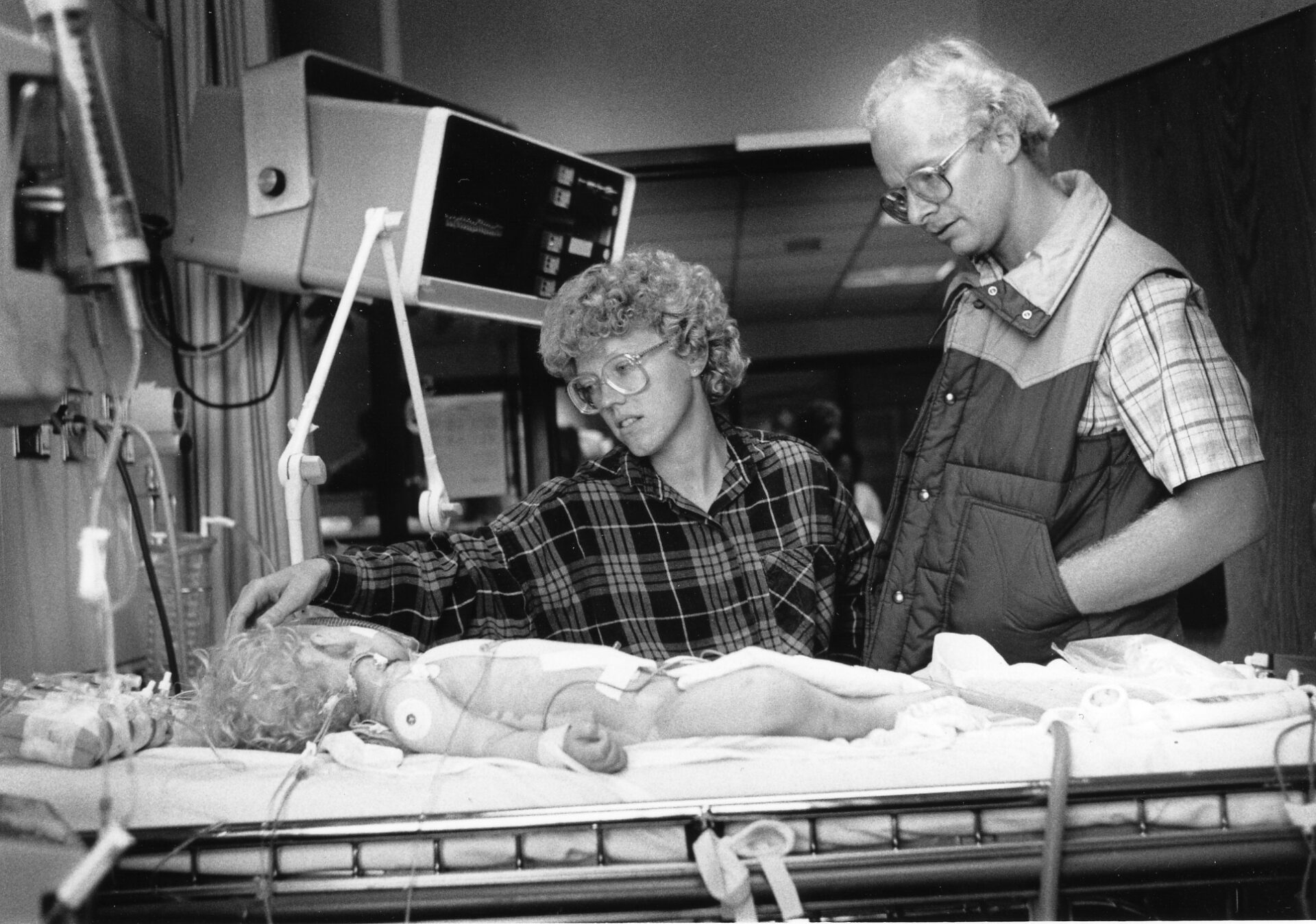
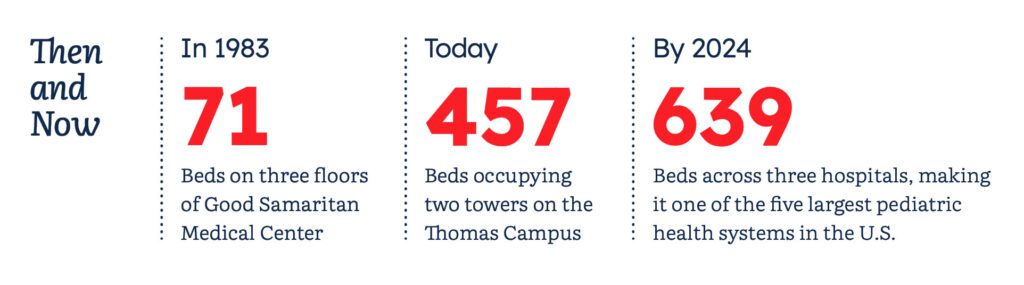
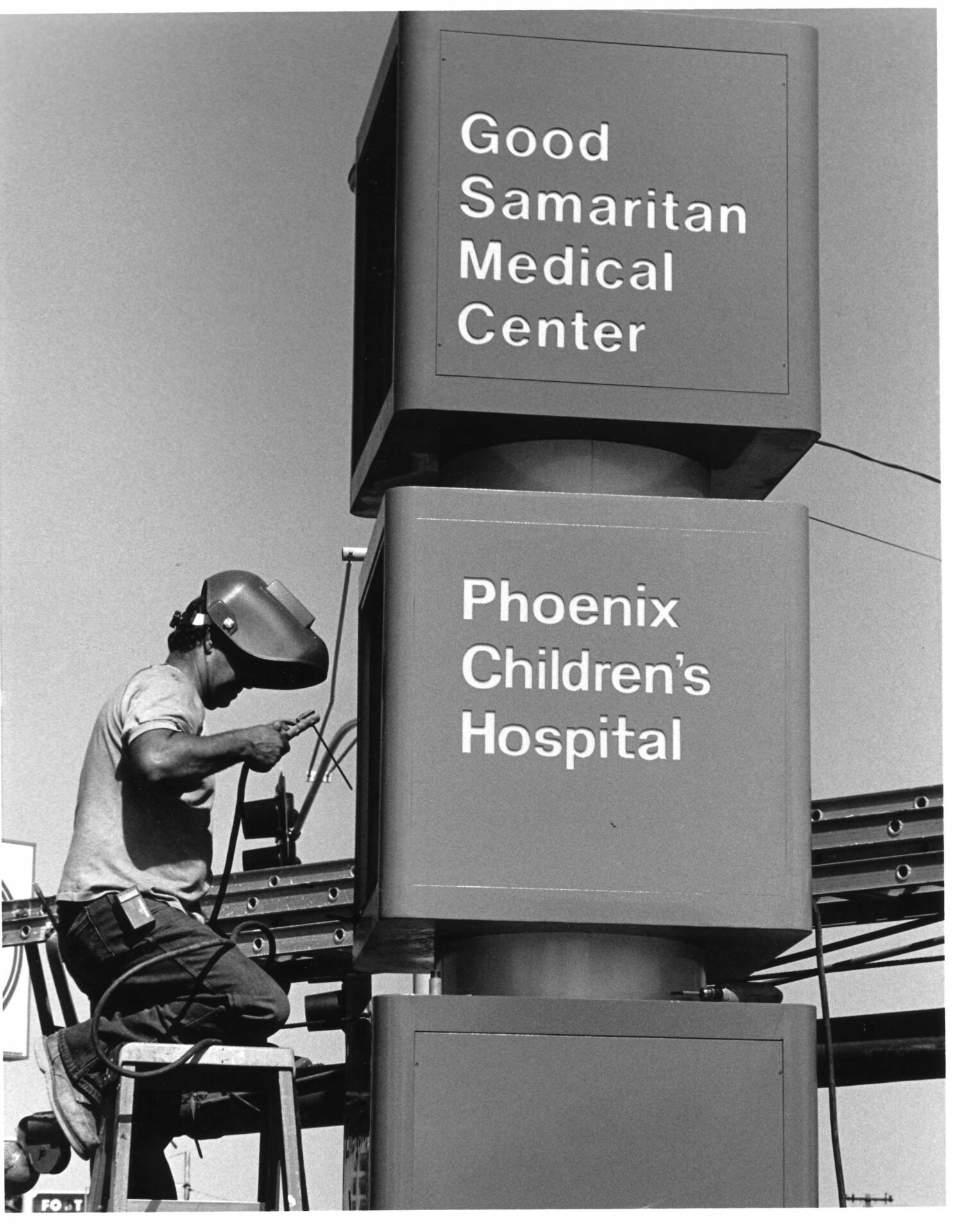
Phoenix Children's opens its doors within Good Samaritan Medical Center.
1985
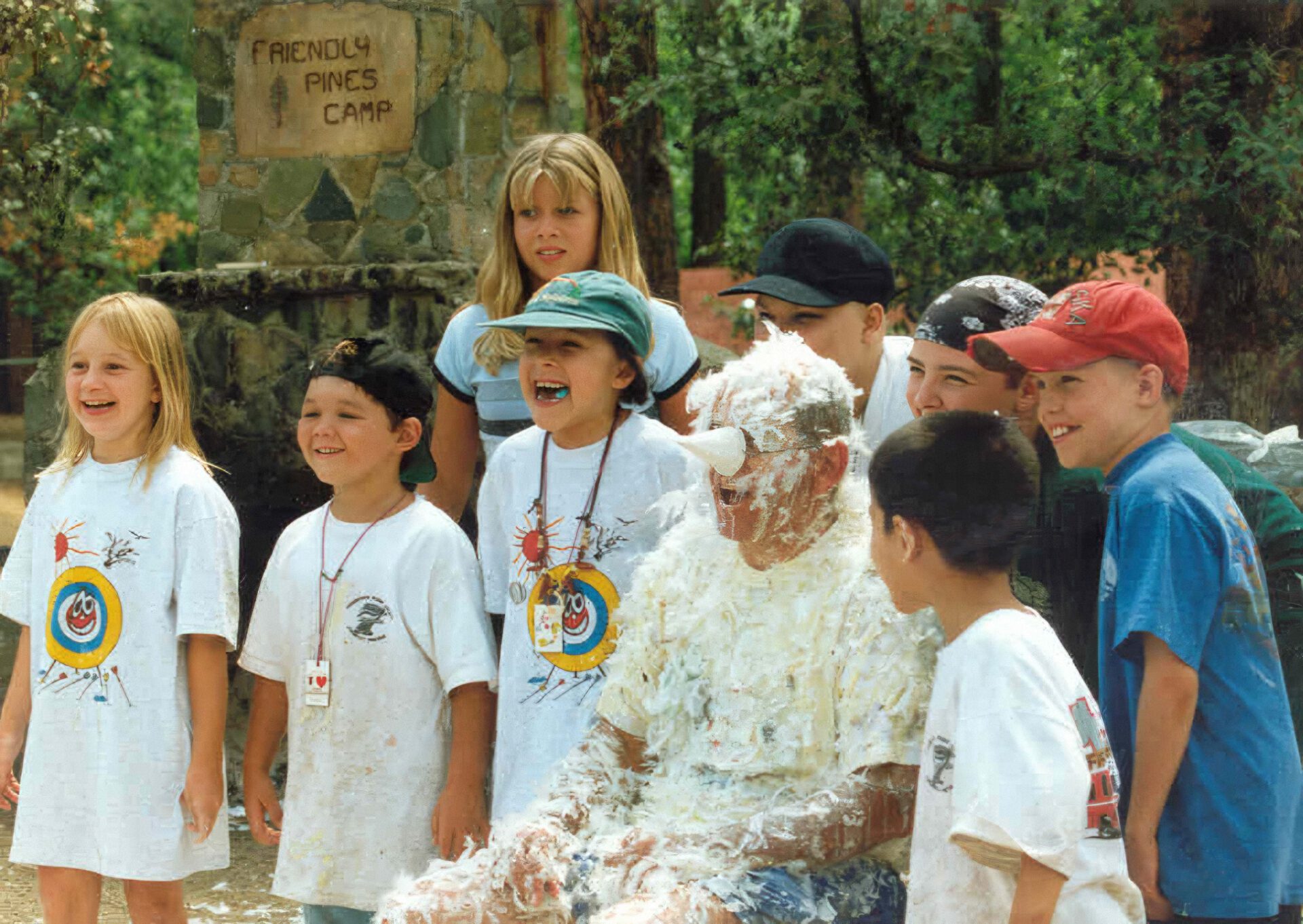
Camp Rainbow, a summer camp for children with cancer and blood disorders, opens in Prescott with 27 kids attending.
1986
Phoenix Children’s Foundation is founded. Children’s Miracle Network Telethon, the first major fundraising event, raises $210,233.
1987
Phoenix Children’s Intensive Care Nursery is the first in Arizona to introduce extracorporeal membrane oxygenation (ECMO), an advanced form of life support.
1990
The Emily Anderson Learning Center, a pediatric health library, opens to the public.
1992
Dr. Leigh McGill performs a 10-hour surgery to reattach 7-year-old Brian Bogert’s arm after it was severed when he was hit by a truck.
1993
Dr. David Moss successfully removes half of 14-month old Zachery Leber’s brain to stop continuous seizures.
1994
The Foundation’s inaugural Beach Ball raises more than $121,000.
1994
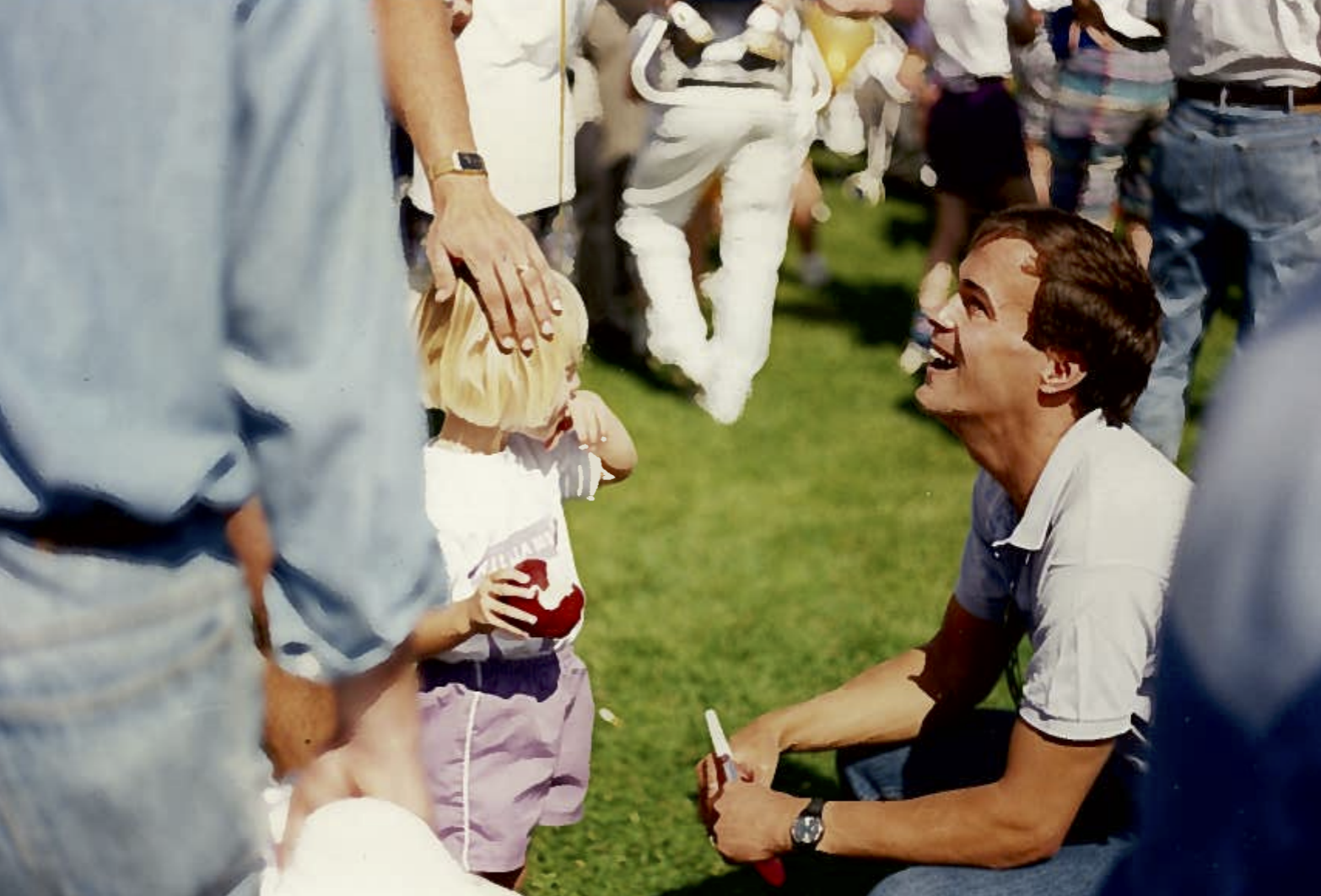
The Bill Holt Clinic opens, becoming the first pediatric clinic in Arizona for children with HIV/AIDS.
1997

The heart and hand logo is introduced.
2000
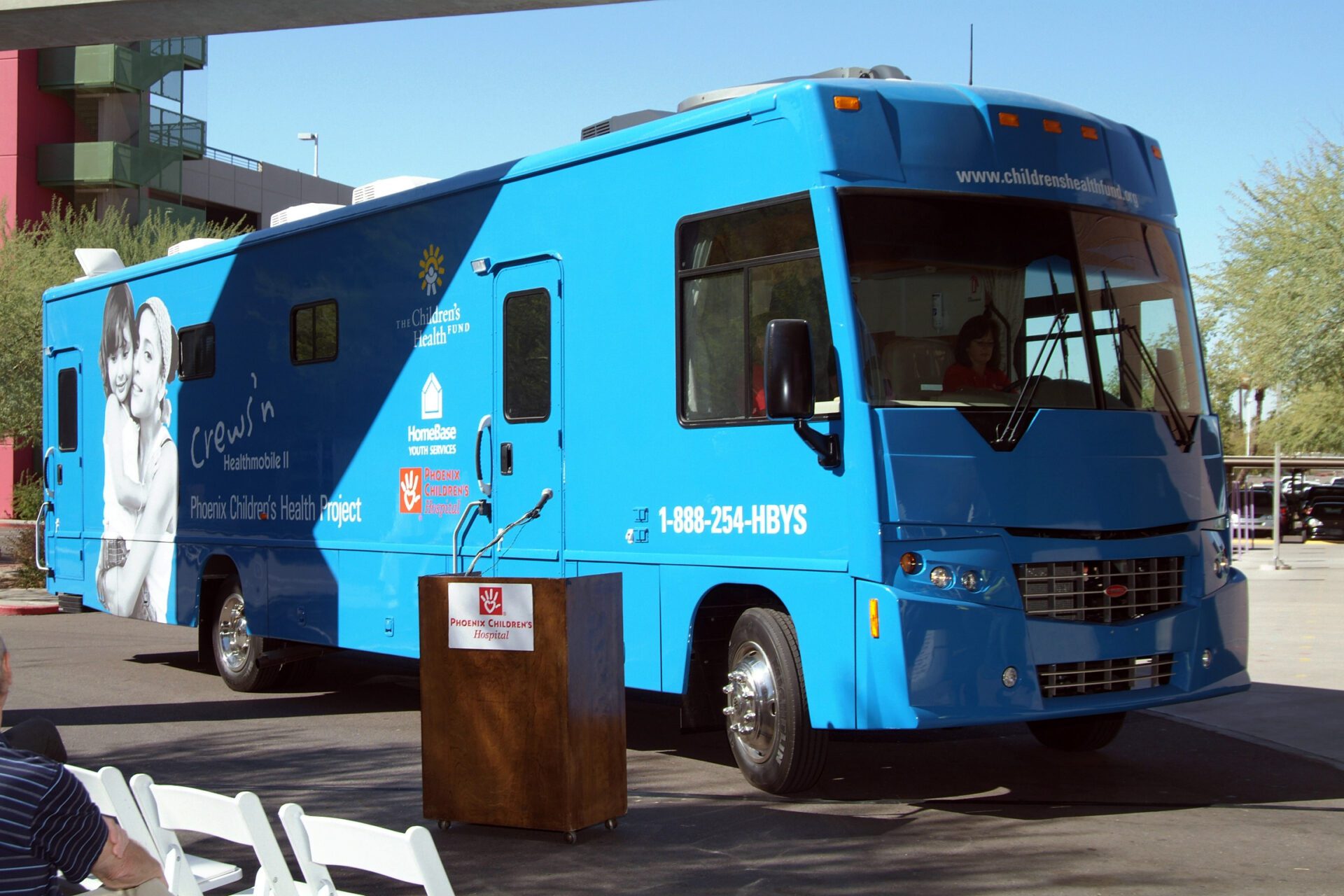
The Crews’n Healthmobile, a mobile medical unit, begins providing medical care to children and adolescents experiencing homelessness.
2001
The Children's Heart Center opens.
May 25, 2002
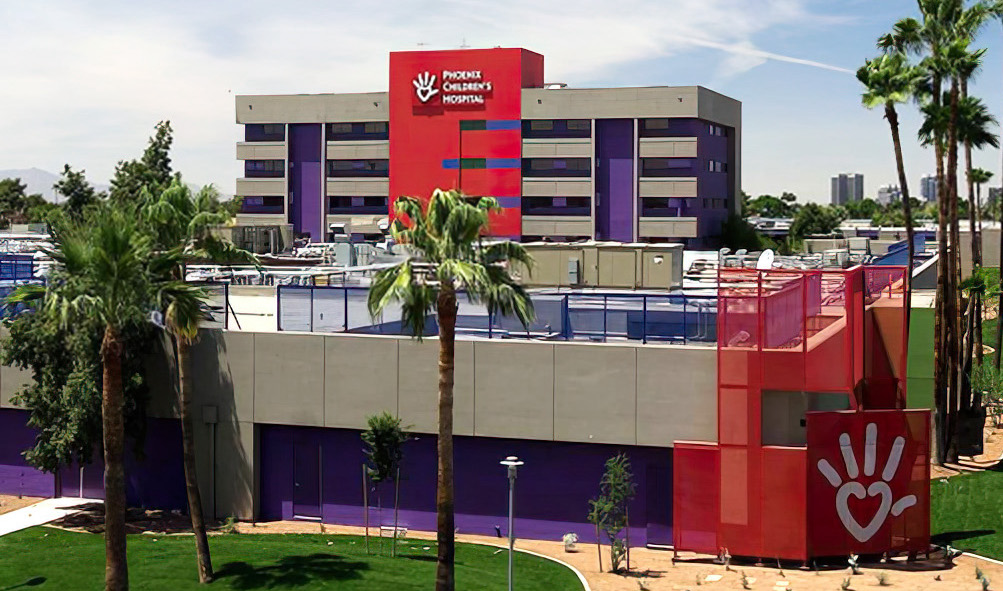
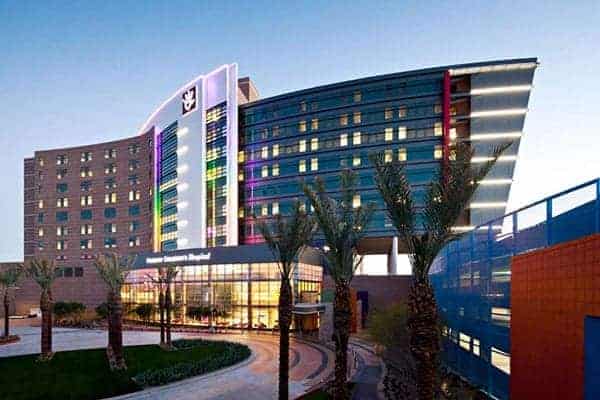
Phoenix Children’s opens a new freestanding hospital at 20th Street and Thomas Road, including Arizona’s first pediatric emergency department.
2003
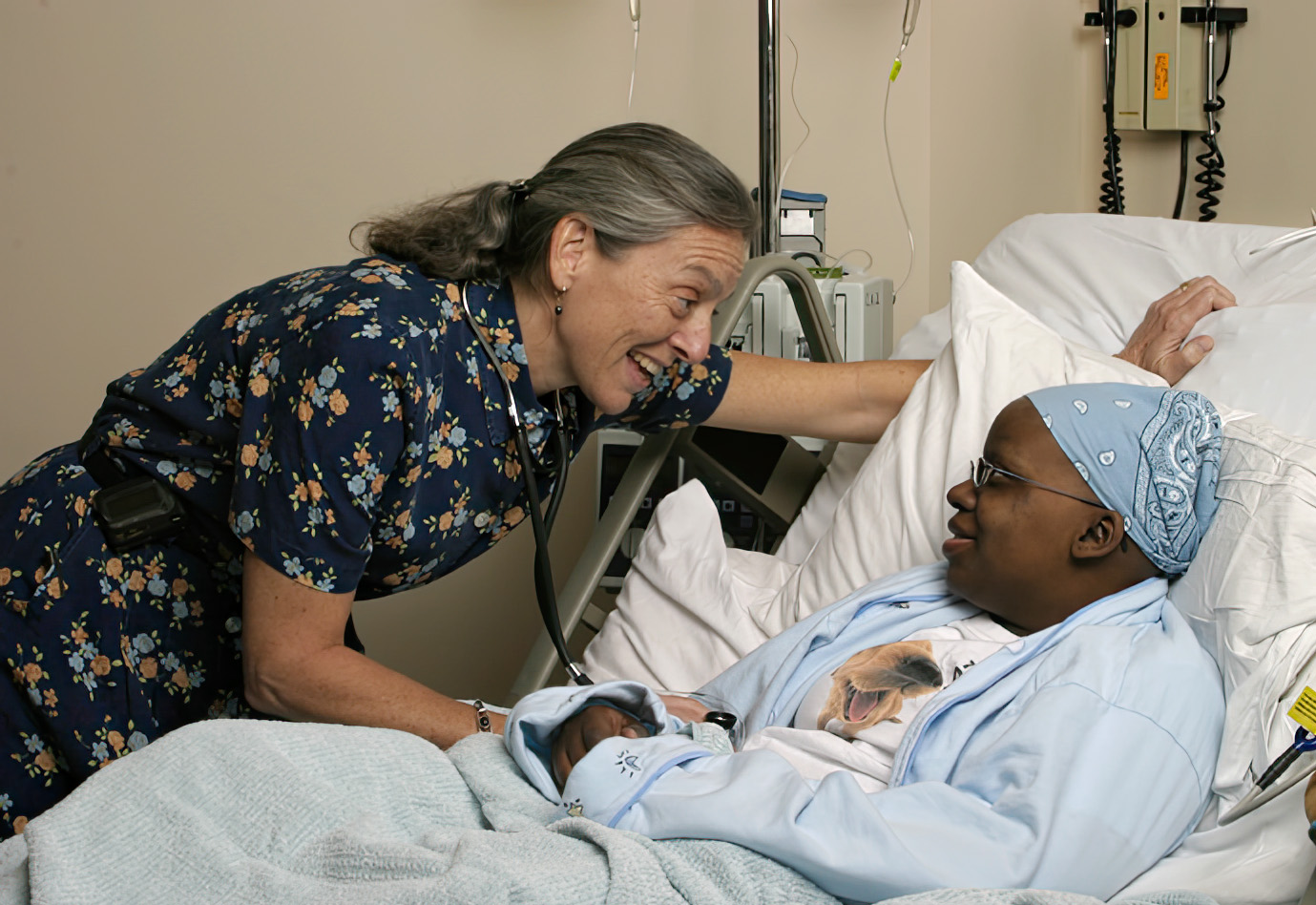
Phoenix Children’s and Mayo Clinic introduce the Valley’s first pediatric blood and marrow transplant program, with 14-year-old Ashley Robinson undergoing the hospital’s first bone marrow transplant.
November 2003
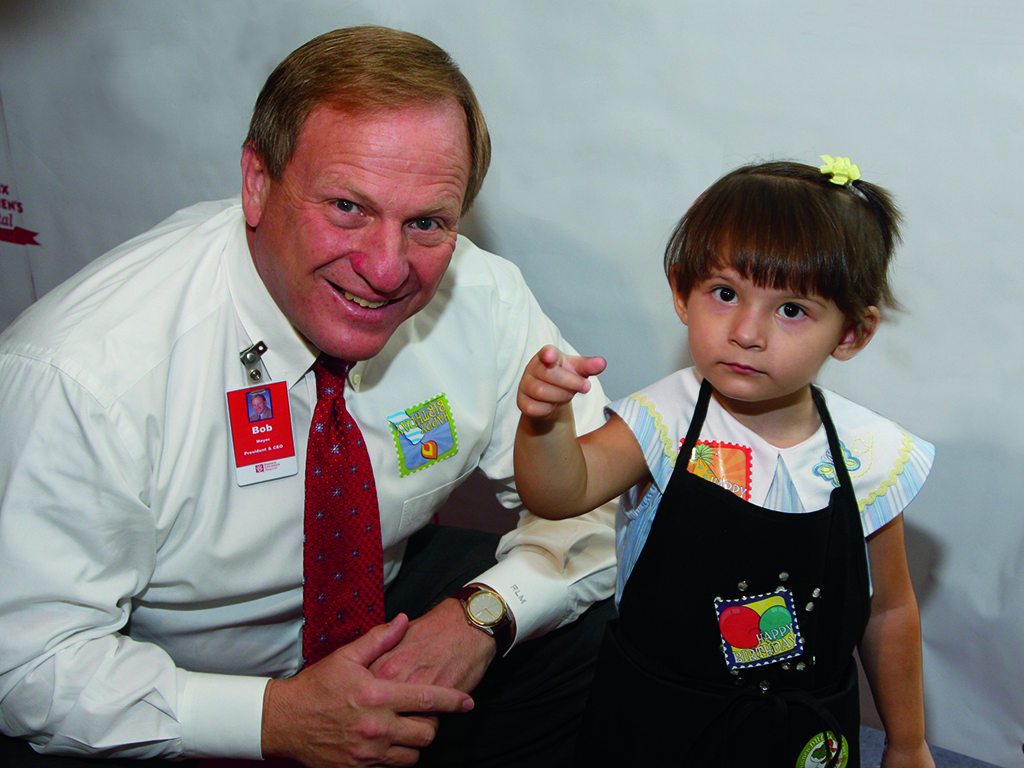
Robert L. Meyer takes the helm as Phoenix Children's President and CEO.
Setting a New Course
20 years of progress under President and CEO Robert Meyer
Building a freestanding children’s hospital was undoubtedly necessary for the community. But construction, coupled with operational challenges, almost bankrupted Phoenix Children’s in the early 2000s. That is, until Robert L. Meyer came into the picture.
Meyer was brought in as a consultant in 2002 to help the board turn the hospital around. But after meeting with the physicians and staff, he was struck. “From the beginning, I was so impressed with the passion—of the physicians, of the board, of the families, of the community for that matter—to make this work,” says Meyer. “And so it became clear to me that we had to find a way.”
And he did. “Doing turnarounds is always difficult, but it’s easier when you have support—and we had support,” he says. “By the end of 2003, we were profitable.”
Under Meyer’s leadership, Phoenix Children’s embarked on a two-decade push to build destination programs, including cardiac, oncology, neuroscience and orthopedic units—all focused on family-centered care. The hospital has invested in learning and development, health care education and geographic expansions to make pediatric care more accessible in Arizona.
“We were one of the first hospitals to adopt family advisory councils,” Meyer says. “And when we asked our families what they needed, the one thing we kept hearing again and again was ‘access.’ That’s when we started to expand with our ambulatory and urgent care centers.”
2006
The hospital launches the first comprehensive pediatric epilepsy program in Arizona.
2007
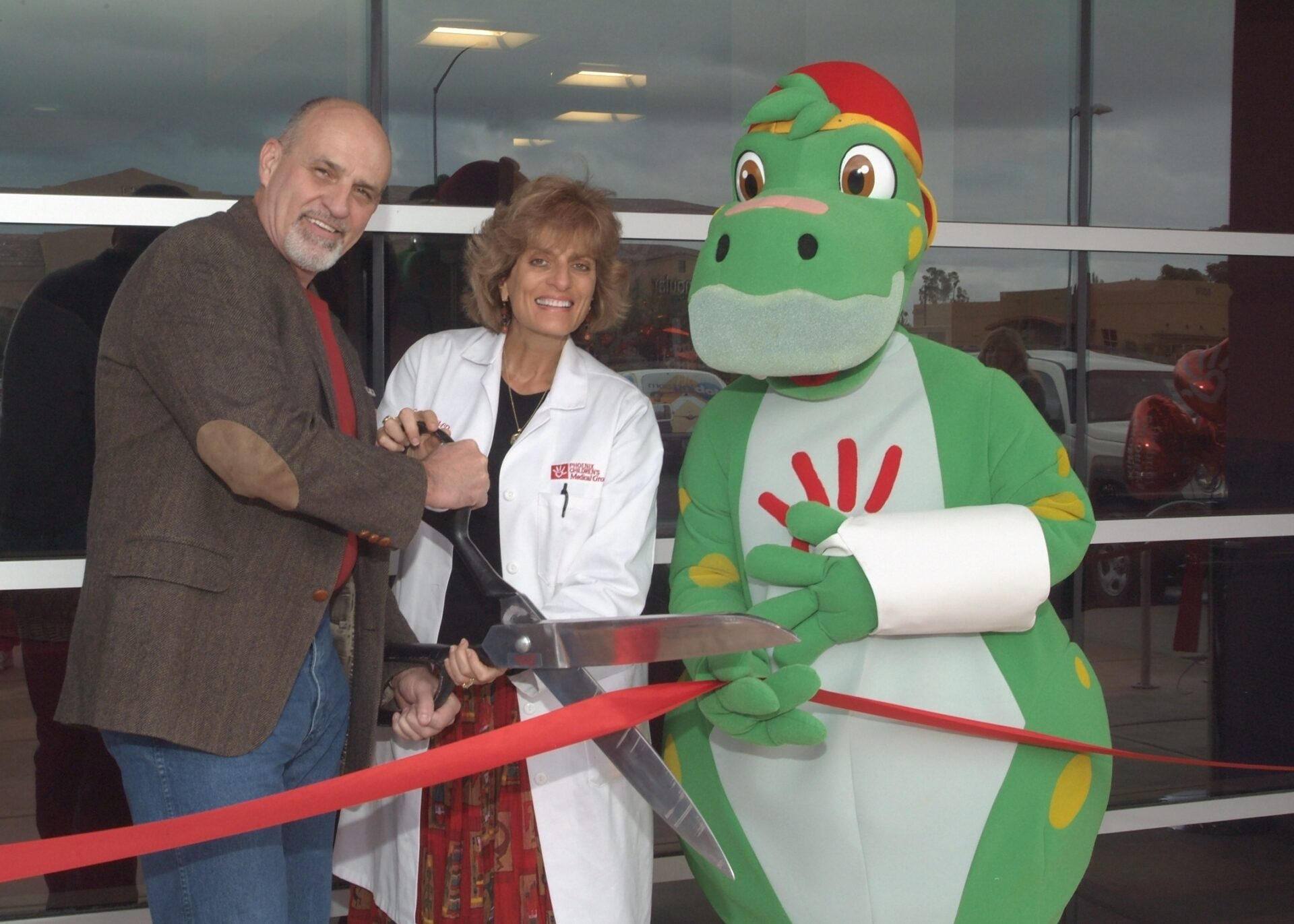
The East Valley Specialty and Urgent Care Center opens.
2008
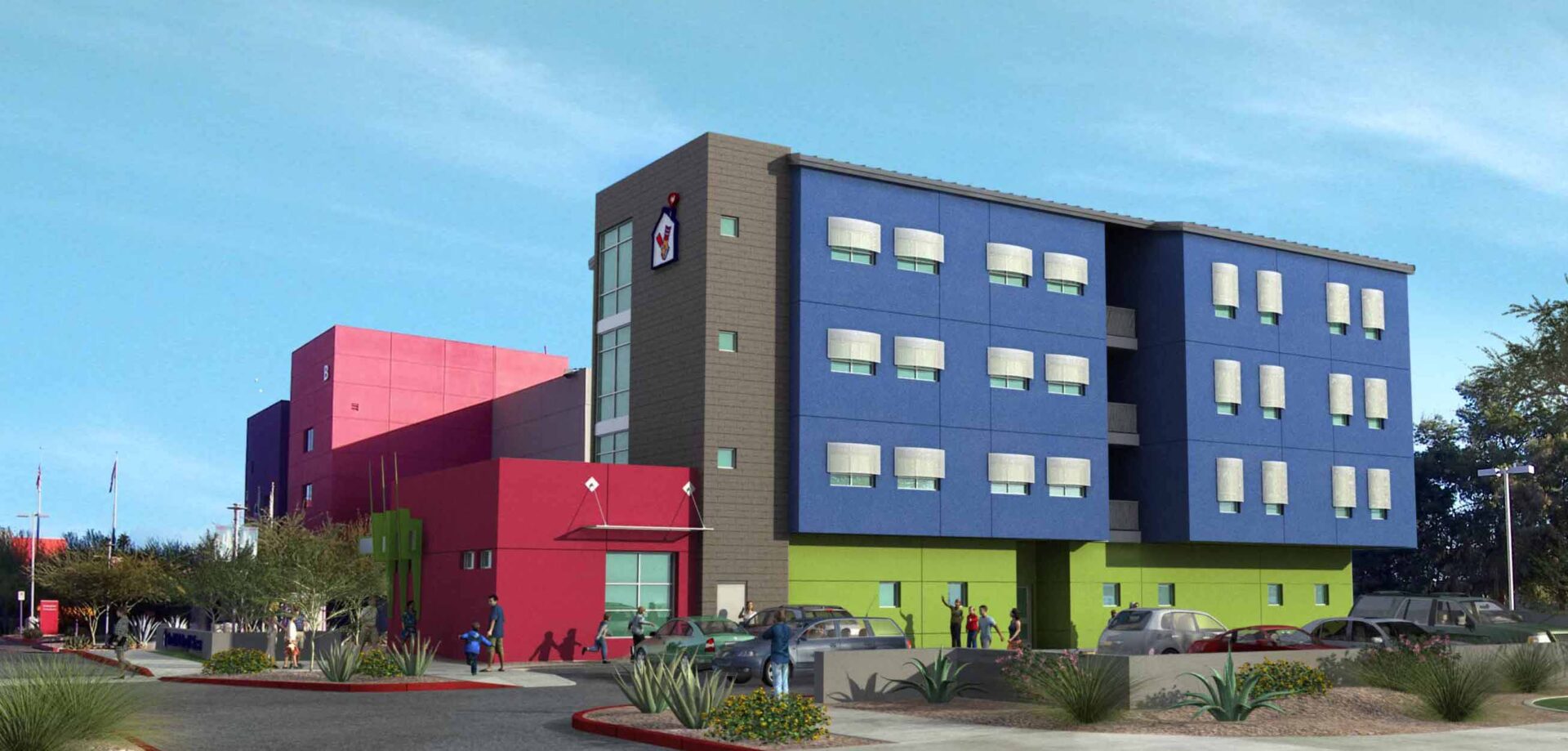
The Ronald McDonald House opens on the Thomas Campus.
2008
Phoenix Children’s is designated as a Level 1 Pediatric Trauma Center, the only one in the state.
2009
Phoenix Children’s and the University of Arizona College of Medicine announce the formation of the Department of Child Health at the medical school.
2011
Barrow Neurological Institute at Phoenix Children’s is established.
June 2011
A new 11-story tower opens on the Thomas Campus, part of a $588 million expansion.
2011
The first heart transplant in the hospital’s history is performed on 22-month-old Jesus Pereya.
2012
Garth Brooks leads the celebration of the opening of the Child Life Zone, a 3,800-square-foot play area.
2013
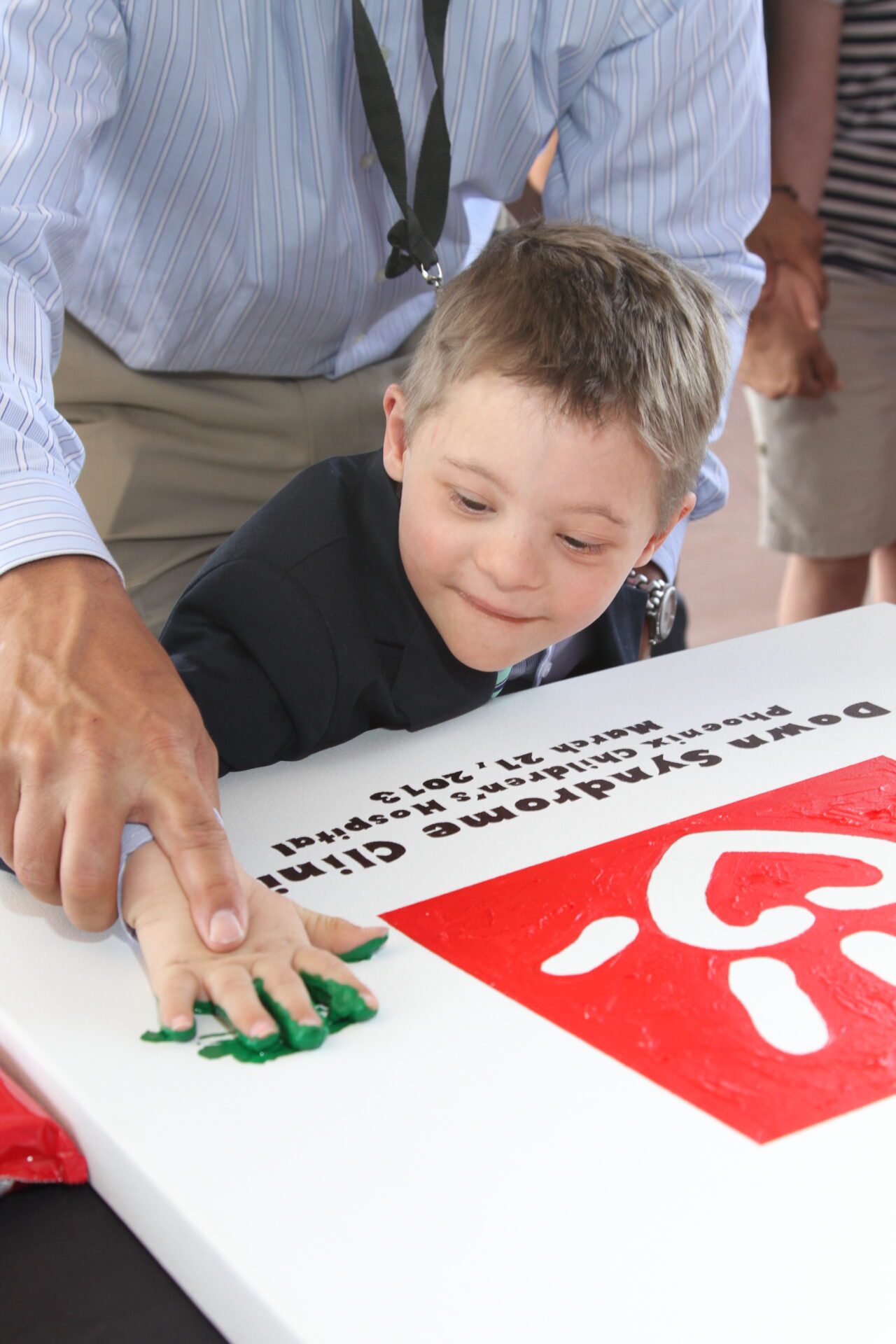
Arizona’s first and only Down syndrome clinic opens.
2015
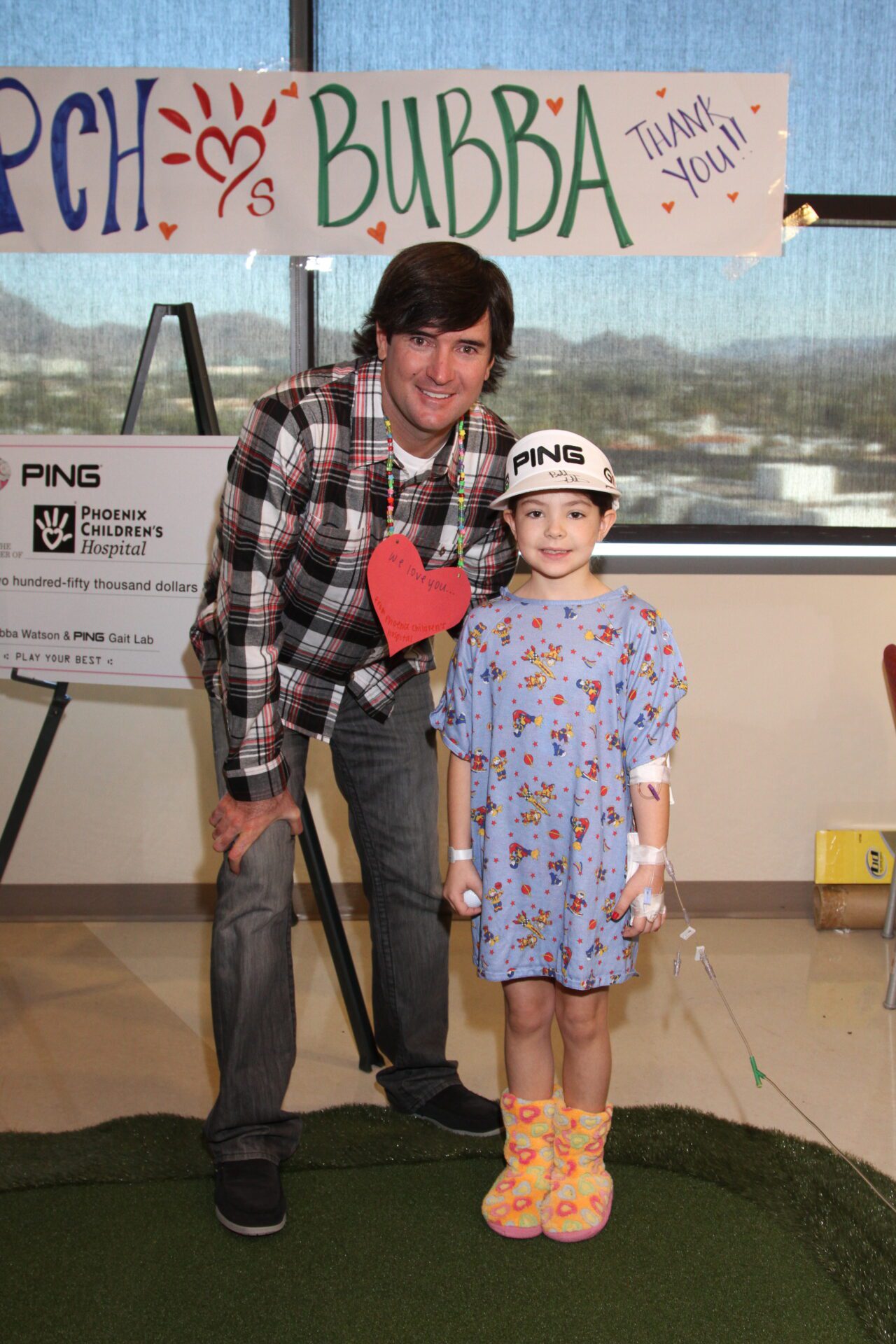
The Bubba Watson and PING Golf Motion Analysis Lab opens to help children with gait abnormalities.
2017
Phoenix Children’s opens a new $40 million Emergency Department and Trauma Center.
2018
At age 10, Gabriel Gonzalez becomes the youngest patient in the world to receive a total artificial heart, which keeps him alive and healthy until a donor heart becomes available.
2019
A study led by Michael Kruer, MD, director of the Pediatric Movement Disorders Program, shows that genetics may play a role in causing cerebral palsy.
2019
Phoenix Children’s becomes the first-ever health system in the U.S. to use the Medtronic Stealth Autoguide platform, a robotic guidance system, for neurosurgery.
2020
The COVID-19 pandemic kicks efforts to develop a telehealth program into high gear.
2021
Phoenix Children’s launches WATCHER, an early-warning system that alerts a patient’s care team when the patient’s condition is at risk of deteriorating.
2022
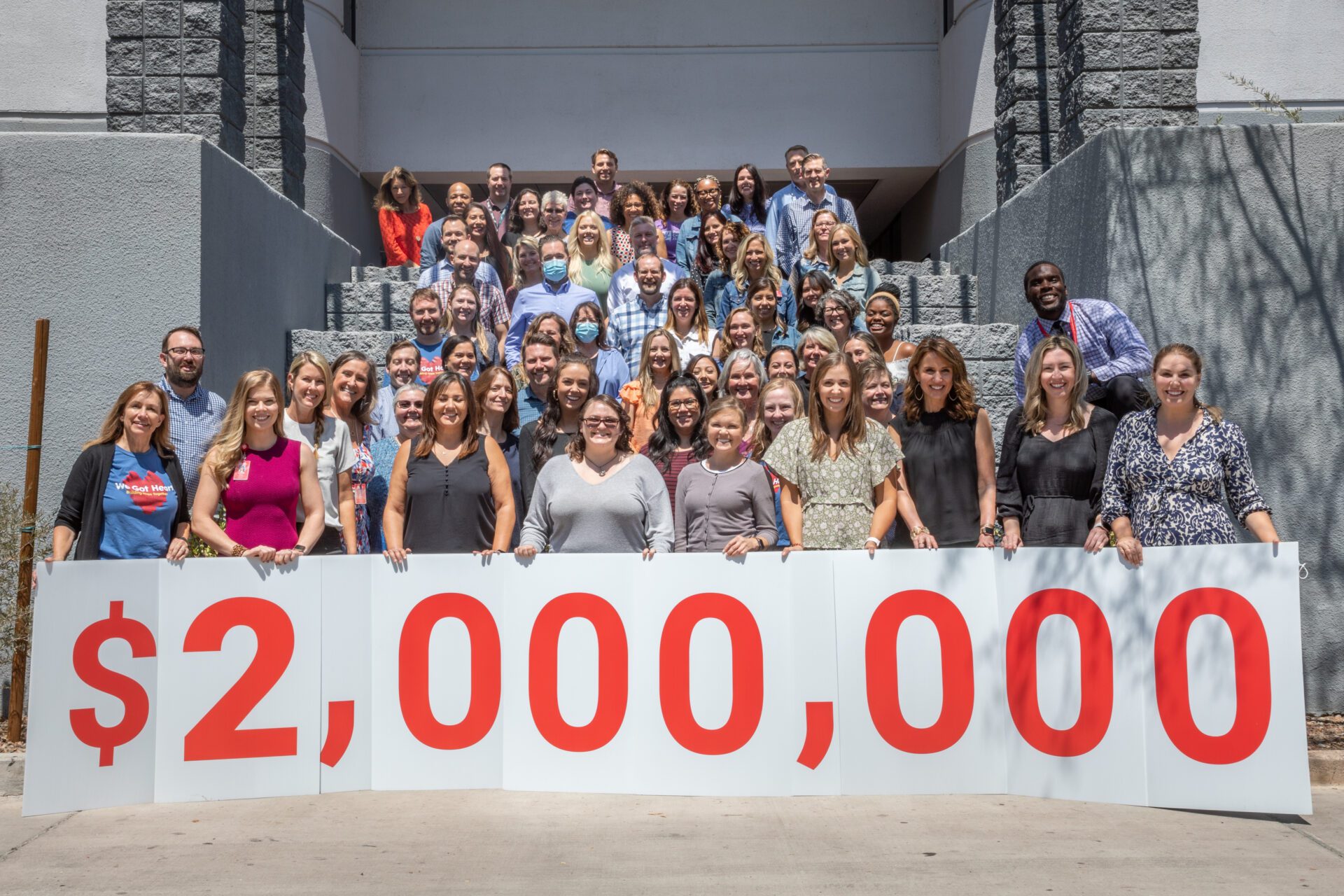
Give-A-Thon, the country’s largest radiothon for a children’s hospital, tops the $2 million mark for the first time.
2023
Vladimir Kalinichenko, MD, PhD, is appointed director of the Phoenix Children’s Research Institute at the University of Arizona College of Medicine – Phoenix.
July 2023
A freestanding emergency department opens at Phoenix Children’s – Avondale Campus.
2024
Phoenix Children’s Hospital – East Valley, a five-story hospital on the campus of Mercy Gilbert Medical Center, is scheduled to open.
Phoenix Children’s – Arrowhead Campus, a three-story hospital in Glendale, is projected to open with 24 inpatient beds, an emergency department, a surgery center and a multispecialty clinic.
Why your donations matter
Steve Schnall, Phoenix Children’s Chief Development Officer, Foundation, on the transformational effects of philanthropy
Q: Why was it important to build an independent children’s hospital?
Children are not little adults. They have very unique health care needs, and so having a consolidated children’s hospital allows us to have a depth of resources and expertise that provides a very different standard and level of care than an adult hospital that offers pediatrics can. For example, an adult hospital might have one pediatric cardiologist, one pediatric oncologist on staff. At Phoenix Children’s, we’ve got more than 35 pediatric cardiologists and almost 20 pediatric oncologists. We have a whole team of doctors who treat only kids with brain tumors.
Q: How does philanthropy fuel growth?
Looking back at old photos and seeing the timeline here reminds me of all we have accomplished, and it makes me all the more grateful for the support of our community. The truth is, we wouldn’t be what we are today without the generosity of our donors. Sure, we would have the lights on and would provide the best possible care to children, but we wouldn’t have the funds we need to open new locations around the Valley so more families can access care, to purchase new equipment and the latest technology that makes a difference for our patients, and to bring in renowned specialists and researchers who will change the future of pediatric medicine.
Support One of the Nation’s Top Pediatric Health Systems
You can help bring hope, healing and world-class health care to Arizona’s children.
With over 15 years of experience in behavioral science research and application, Stan brings a unique lens to financial decision-making and family engagement.
Stan serves as a Behavioral Insights Advisor at the Northern Trust Institute, where he applies behavioral science to empower clients in making independent financial decisions and strengthening family relationships. His work includes conducting original psychological research focused on financial decision-making.
Before joining Northern Trust, he was a Senior Behavioral Scientist at Morningstar. There, he led surveys and experimental research on the psychology of retirement, investing, and financial behavior, while also advising cross-functional teams on applying scientific methods to business challenges.
Stan’s academic background includes his role as an Assistant Teaching Professor at Syracuse University, where he taught psychology, mentored students, and directed a research lab. He has authored over two dozen academic and industry publications and presented at leading international conferences.
He holds a PhD in Psychological Science (Social Psychology) from DePaul University, a dual MS in Social and Quantitative Psychology from Illinois State University, and a BA in Psychology from Northern Illinois University.
Cherian Koshy is a globally recognized keynote speaker, strategist, and entrepreneur with more than 25 years of experience advancing fundraising, leadership, and innovation across the social impact sector. He has led high-performing teams in healthcare, education, the arts, and human services—helping organizations raise hundreds of millions of dollars while building cultures grounded in trust, dignity, and human connection.
He is the author of Neurogiving: The Science of Donor Decision-Making, a multi-week USA Today bestseller that reached #11 nationally and became the #1 Amazon bestseller in Nonprofit Organizations. His work explores how neuroscience, behavioral science, and ethics shape generosity, leadership, and organizational decision-making in an increasingly complex world.
A visionary entrepreneur, Cherian is the founder of NonprofitOS (now, engage)—an AI-powered platform that transformed nonprofit operations and was later acquired by Kindsight, where he now serves as Vice President, helping mission-driven organizations adopt ethical, human-centered technology.
Cherian holds the Certified Fund Raising Executive (CFRE) and Chartered Advisor in Philanthropy (CAP®) designations and is certified in behavioral science from Harvard Business School and in the ethics of AI from the London School of Economics. He is a Q3LC Certified Leader, an Exactly What to Say Certified Guide, and a member of the Rogare Council and the advisory council of Fundraising.AI.
His insights have been featured in Fast Company, Forbes, The Chronicle of Philanthropy, CEOWorld, Yahoo Finance, and other leading publications. He serves on the executive committee of the global board of the Association of Fundraising Professionals and on the board of The Giving Institute, and is an adjunct faculty member at The Fund Raising School at Indiana University Lilly Family School of Philanthropy.
In the past five years alone, Cherian has trained thousands of nonprofit professionals across five continents through keynotes, workshops, and leadership programs. His work challenges leaders to design generosity not through pressure, but through understanding.
He lives in Iowa with his wife Betsy, their 2.3 kids, their dog Aslan, and is an avid Iowa State Fair fan (and donor)!
Nicola Lawrence has dedicated her career to non-profit leadership, amassing over 25 years of experience serving organizations across four continents. Her work spans a range of philanthropic efforts, from billion-dollar campaigns to daily fundraising for large healthcare institutions and grassroots social impact startups.
Nicola specializes in revitalizing underperforming development shops and unlocking revenue through integrated gift planning. Beyond gift planning, she has led several non-profits in operations and senior leadership. By designing effective policies and guiding organizations through risk mitigation, adherence to legislation, and strategic planning, she helps them achieve their missions. Her commitment to ethical practices and impactful philanthropy has earned respect throughout the sector. She serves on the board of the National Association of Charitable Gift Planners and is VP of Arizona Charitable Gift Planners. This year, she chairs the National Standards and Metrics Committee and teaches at the AHP Madison Institute. As a conference speaker, Nicola shares insights nationwide, promoting integrated approaches to charitable gift planning. She is also proud to have served as a foster and adoptive parent.
Thomesa boasts a multifaceted career that spans real estate, senior living advocacy, and public speaking. With 22 years as a Concierge REALTOR® at RE/MAX Excalibur, she excels in Senior Real Estate, Philanthropic Planning, Relocation, and Re-Sizing. Thomesa has co-authored ‘1 Habit For Entrepreneurial $uccess’ and penned ‘SMART-LIVING for Seniors; How to Make the Best of the Rest’, establishing herself as an international best-selling author.
Her expertise extends beyond real estate into public speaking, where she has graced prestigious venues such as NASDAQ, Harvard Club of Boston, Carnegie Hall, Mercedes Benz, and West Point. Thomesa has also appeared on major TV networks including ABC, NBC, CBS, & FOX News & Talk Shows, where she shares insights on senior real estate and philanthropy.
As CEO of Lydon Senior Pathways, Thomesa specializes in providing comprehensive relocation planning, move management, and real estate services tailored for seniors aged 55 and above. Her commitment to “SMART-sizing” ensures seniors transition smoothly into their next chapter of life with dignity and ease. In her personal life, Thomesa lives by the motto, “Keeping It FUN till I’m Done”, which includes a lifestyle centered around healthy nutrition, fitness, laughter, music, dancing, and quality time with friends and family. Her dedication to enhancing the lives of seniors and her dynamic presence in both real estate and philanthropy truly define her remarkable career and contributions.
Justin specializes in helping executives and successful professionals create a tax-smart plan for their next chapter. We explore what’s possible, create a plan, and strive to minimize taxes in the process. Justin earned a Bachelor of Business Administration degree with a concentration in finance from the University of Michigan Ross School of Business. He is a CERTIFIED FINANCIAL PLANNER™ professional and has earned the Chartered Advisor in Philanthropy® (CAP®) and the Chartered Financial Analyst® (CFA®) designation. He is a frequent speaker on tax-smart retirement planning.
Tiffany is a tax, estate, and charitable strategist. She works as a consultant with families and helps guide them through intricate and essential situations including transitioning a business, planning philanthropy, values-based estate planning, and tax concerns. She works as a liaison with the advisory team to enhance efficiency, provide a comprehensive overview of opportunities, and ensure that the client’s best interests are always first.
Tiffany joined the family business of wealth planning, MasterTech Financial, where she worked with ultra-high net worth clients and helped them with their complicated business and estate planning needs. She left financial advisory after nearly 20 years to be a fiduciary consultant and founded the Gift Planning Institute, helping nonprofits with complicated asset gifts, and Tax & Estate Strategy, where she works with families with complex circumstances
Allison is the Designated Broker, Interim Managing Direct and certified luxury agent at The Agency in Scottsdale, Arizona. She specializes in both luxury and investment properties. She oversees compliance and operations at The Agency.
Prior to Real Estate, Allison practiced as a corporate attorney in Chicago, Illinois. She graduated at the top of her class at Loyola University of Chicago School of Law. She also holds a master’s degree In Curriculum & Instruction from the University of Kansas.
In addition, she is the President of the Board of Directors for the Scottsdale Area Association of Realtors & a Board Member of Arizona Association of Realtors and the National Association of Realtors. In addition, she served as a Trustee for Scottsdale Arts Board.
Allison has been involved in philanthropic organizations for years. Including as a Trustee for the Board of Scottsdale Arts, past member of the Leadership Circle of the Phoenix Children’s Hospital Foundation, and charitable work with National Charity League, Homeward Bound, Chrysalis, and MASK.